
Brazil’s Energy Future: QAES’ Opportunities in the Booming Storage Market
The Brazilian energy storage market is experiencing rapid growth and offers a range of opportunities and challenges that make the country an attractive destination for innovative Battery Energy Storage Systems (BESS). QAES (Qing’An Energy Storage), a leading manufacturer of BESS solutions, sees great potential here. The newly established QAES Europe GmbH, under the management of European General Manager Dr. Paschalis Papagrigoriou, is bringing these high-quality BESS products to Europe and managing strategic partnerships such as the one with T Services.
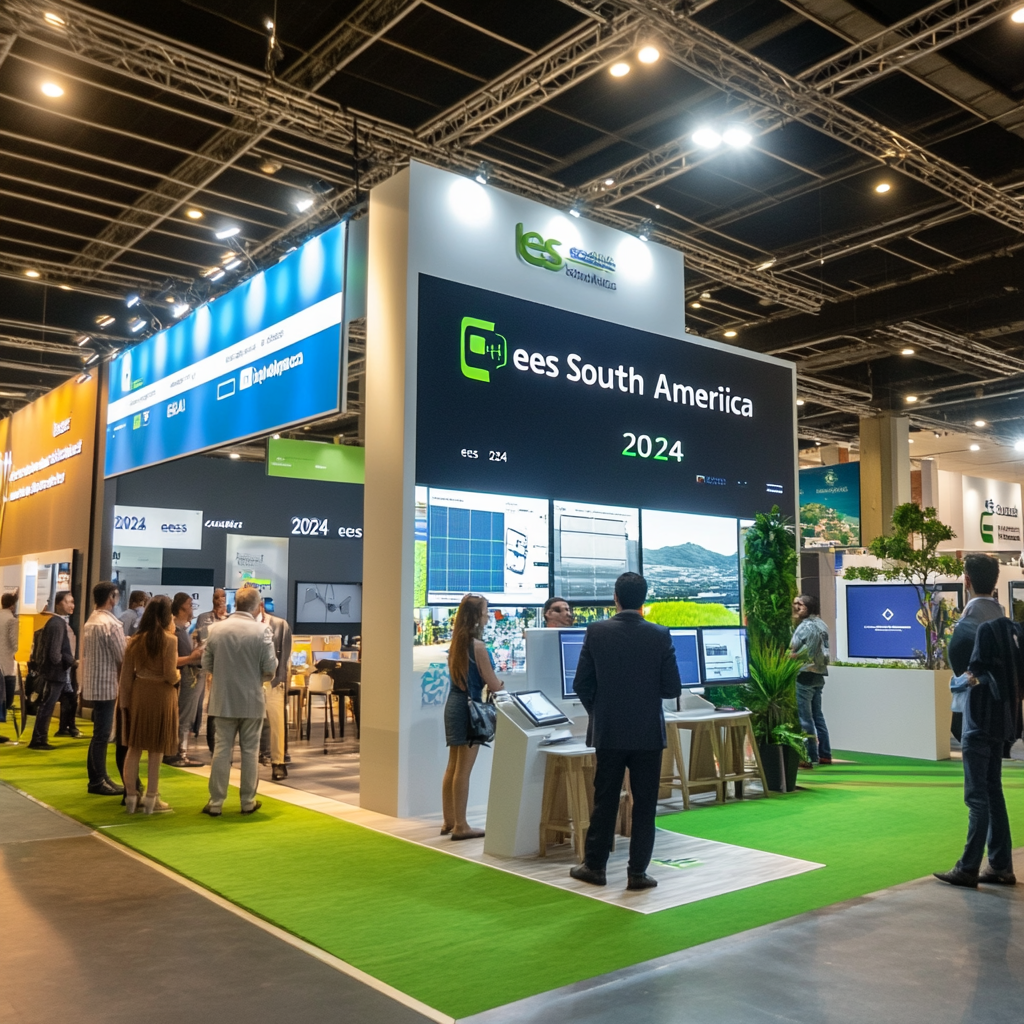
This article, based on insights from our partner Chris Lamster of T Services, who recently visited ees South America 2024 – Latin America’s most important event for batteries and energy storage systems – examines the current and future landscape of the sector. It highlights the competitive advantages that QAES products can offer to the Brazilian market and reflects the shared vision for this dynamic market. The ees South America 2024, which took place from August 27 to 29, 2024 at Expo Center Norte in São Paulo, was a significant meeting point for the energy storage industry as part of The smarter E South America, with over 600 exhibitors and more than 55,000 visitors, offering valuable insights into market development.
Growth and Opportunities in the Brazilian Market
The energy storage sector in Brazil, particularly in the area of Battery Energy Storage Systems (BESS), shows considerable growth potential for the coming years. According to a study by the Brazilian consulting firm Clean Energy Latin America (CELA), the installed BESS capacity in Brazil could reach about 7.2 GW by 2040, or up to 18.2 GW under favorable regulatory conditions. CELA also predicts that annual investments in BESS systems in Brazil could rise to $12.5 billion by 2040 (Source: Clean Energy Latin America (CELA)).
Market analyses show that the Brazilian energy storage market is expected to grow at a Compound Annual Growth Rate (CAGR) of 7.86% between 2024 and 2030 (Source: Mondor Intelligence). The Brazilian Association for Energy Storage Solutions (ABSAE) estimates that the industry would invest up to R$9.8 billion if BESS technologies were allowed to participate in energy auctions. An important step in this direction is the Brazilian government’s plan to include batteries in its power reserve auction in 2024, which is seen as a turning point for BESS.
These forecasts and developments underscore the significant growth potential and increasing importance of battery storage systems in the Brazilian energy sector.
Energy Transition and Storage
The transition to renewable sources such as solar and wind energy is one of the main drivers of the energy storage market in Brazil. Stationary storage capacity is growing globally at an annual rate of over 30% (Source: International Energy Agency, 2023), which is crucial to manage the intermittency of these renewable sources and stabilize energy supply.
Incentives and Regulation
The progress of the energy storage market in Brazil depends on adequate incentives and clear regulations. The inclusion of storage systems in capacity reserve auctions and the possibility of “revenue stacking” are fundamental aspects for the sector’s growth. ANEEL has promoted seminars and invested in projects to integrate storage systems into the electricity sector, highlighting the importance of innovative solutions. A concrete example is the recently introduced tax exemption for energy storage systems, which increases the attractiveness of investments in this area.
Advantages of QAES in the Brazilian Market
QAES (Qing’an Energy Systems) can leverage several advantages when entering the Brazilian energy storage market:
- Technological Innovation: QAES can introduce cutting-edge technologies, including advanced lithium-ion batteries and intelligent energy management solutions. The company’s expertise in developing highly efficient, long-lasting battery systems positions it well to meet Brazil’s growing energy storage needs. QAES’ latest battery technology achieves 95% efficiency and a lifespan of over 10,000 cycles.
- Customized Solutions: QAES excels in adapting its products to specific market requirements. For Brazil, this could include tailored solutions for remote areas, support for agriculture, and grid stabilization in urban centers. The company’s flexible approach allows for rapid adaptations to local requirements.
- Strategic Partnerships: QAES has a strong track record of successful collaborations with local companies and research institutions. In Brazil, these partnerships can facilitate technology adaptation, promote joint innovations, and accelerate market penetration.
- Competitive Pricing: With its efficient manufacturing processes and economies of scale, QAES can offer competitive prices without compromising on quality. This is particularly important in the price-sensitive Brazilian market.
- Comprehensive Product Range: QAES offers a wide range of energy storage solutions, from small industrial systems to large-scale grid solutions. This diversity allows the company to serve various segments of the Brazilian market.
- Proven Reliability: QAES products have demonstrated high reliability and performance under various environmental conditions, which is crucial for Brazil’s diverse climate zones.
- After-Sales Support: The company’s commitment to excellent customer service and robust after-sales support can be a significant differentiating factor in the Brazilian market.
Challenges and Considerations
Despite the opportunities, entering the Brazilian market also presents challenges:
- Regulatory Complexity: Navigating the complex Brazilian regulatory structure requires a deep understanding of local laws and guidelines.
- Price Competitiveness: Offering solutions at competitive prices will be crucial, especially in a market that is becoming increasingly attractive to new entrants.
- Local Competition: Established Brazilian companies in the energy sector could make market entry difficult. A strategy for differentiation and positioning will be crucial.
- Import Regulations: Brazil’s complex customs regulations and high import duties could affect the competitiveness of imported technologies.
Conclusion
The Brazilian energy storage market offers a promising scenario for QAES (Qing’An Energy Storage). With the projected growth and the need for innovative solutions to support the country’s energy transition, the company has a unique opportunity to establish a significant presence. Through the skillful use of its technological expertise, adaptability, and strategic partnerships, QAES has the potential to establish itself as a pioneer and innovation leader in this dynamic and promising market.